ACL REHABILITATION
Clear answers. Stronger knees. Smarter returns to sport.
An ACL injury doesn’t come with a one-size-fits-all solution.
Despite what you’re often told, surgery is not always the first or only step.
At Hustle Hut / RX Physiotherapy, we take a rehab-first, evidence-based approach to ACL injuries — helping you make informed decisions and building a knee that’s actually prepared for sport, not just cleared on paper.
Understanding ACL Injuries
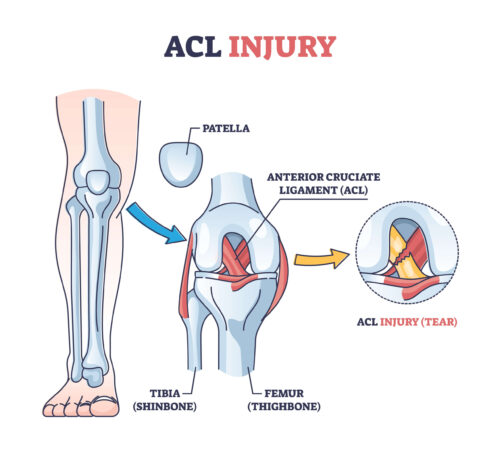
The anterior cruciate ligament (ACL) plays a major role in knee stability, particularly during:
Pivoting and cutting
Sudden deceleration
Jumping and landing
Most ACL injuries occur without contact, often during sport. Common signs include:
A pop or giving-way sensation
Rapid swelling
Ongoing instability
Loss of confidence in the knee
ACL injuries are common in football, netball, basketball, soccer, skiing, and high-intensity training environments.
Our ACL Rehab Philosophy
We don’t chase timelines.
We don’t clear athletes based on one test.
Our rehab is built around:
Objective strength benchmarks
High-speed and change-of-direction tolerance
Movement quality under fatigue
Psychological readiness and confidence
Progressive, real-world sport exposure
Return to sport is a process, not a moment.
Do You Always Need ACL Surgery?
No.
Modern research shows that:
Many people can return to sport without reconstruction
Others benefit from surgery depending on instability, sport demands, and response to rehab
Outcomes are driven more by rehabilitation quality and decision-making than surgery alone
We follow a rehab-first model, similar to the Melbourne ACL Protocol:
Start with structured, high-quality rehab
Reassess stability, function, and confidence over time
Use surgery when it’s clearly indicated — not by default
This approach avoids rushed decisions and puts control back in your hands.
Non-Surgical ACL Rehabilitation
Non-surgical ACL rehab is a legitimate, evidence-supported pathway — not a compromise.
Our non-surgical programs focus on:
Building high-level quadriceps and hamstring strength
Restoring control during cutting, landing, and deceleration
Gradual exposure to running and sport-specific loads
Ongoing monitoring of knee stability and symptoms
Emerging evidence shows that some ACLs demonstrate biological healing, especially when early rehab is well managed.
The goal isn’t just coping — it’s returning to performance with confidence.
Surgical ACL Rehabilitation
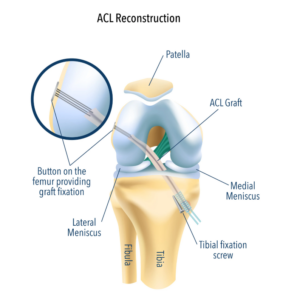
ACL reconstruction can be the right choice for:
Persistent instability despite rehab
High-risk pivoting sports
Athletes with specific performance demands
Surgery restores passive stability — rehab restores function.
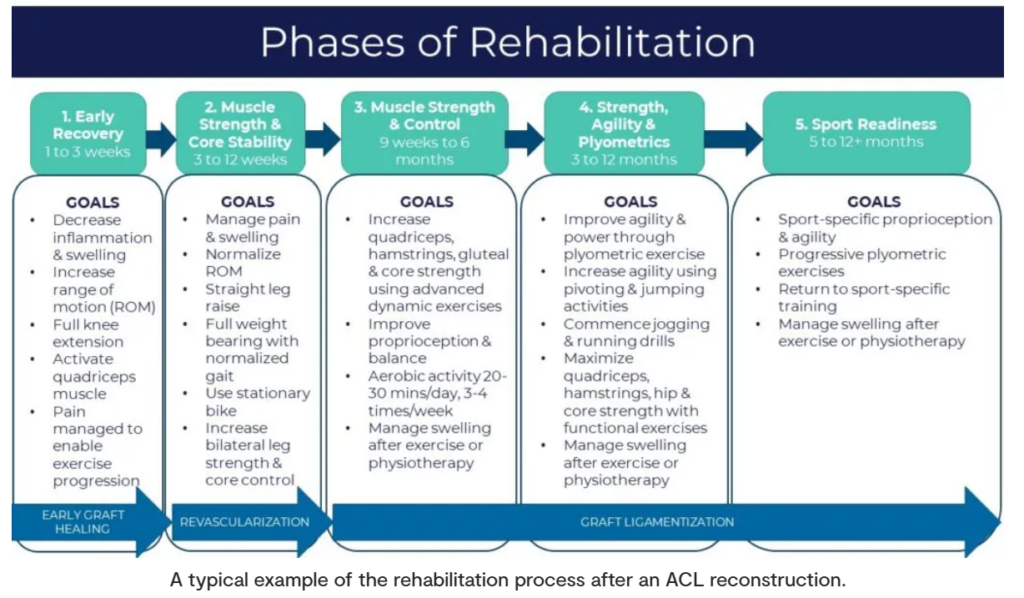
Our post-surgical ACL rehab is:
Graft-specific (hamstring, patellar tendon, quadriceps tendon)
Strength-led, not timeline-led
Focused on performance, not just return
A reconstructed ACL still needs to earn the right to return to sport.
Can You Get Back to Sport After an ACL Injury?
Yes — and many do.
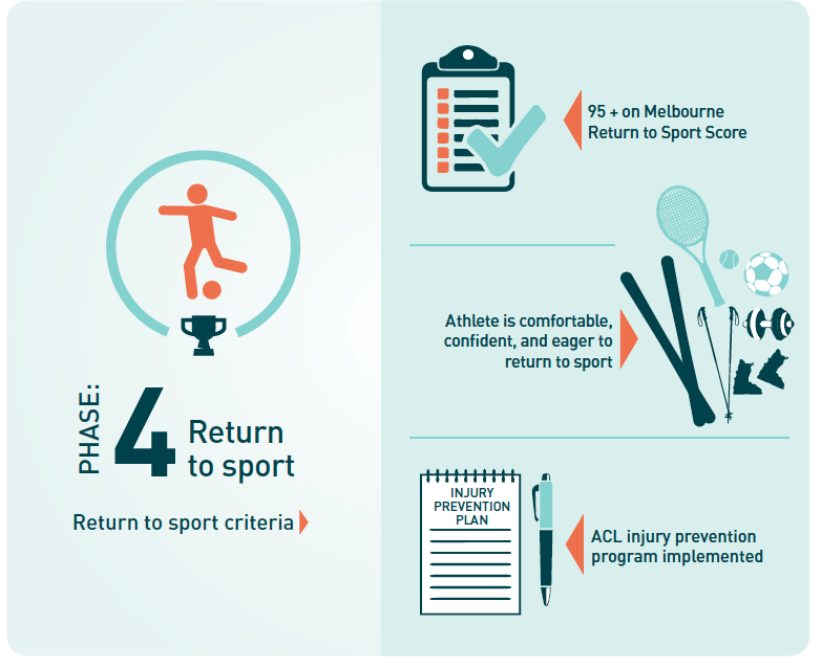
But safe return depends on:
Strength that meets real demands
Exposure to sport-specific chaos
Confidence under fatigue
Ongoing load management after return
Passing tests doesn’t mean you’re bulletproof.
Being underprepared means you’re at risk.
Our goal is performance-ready, not just “back on the field.”
When to book an Assessment?
Whether you’re:
Newly injured
Weighing up surgery
Already post-reconstruction
Stuck or frustrated in rehab
We’ll give you:
Clear guidance
Honest timelines
Evidence-based options
A plan built around your sport and goals
Book an assessment and take control of your recovery.