Plantar Fasciitis Treatment

PLANTAR FASCIITIS TREATMENT AT RX PHYSIOTHERAPY

At Rx Physiotherapy, we understand how frustrating heel pain can be — especially when it limits your ability to walk, run, or even get through the day comfortably.

Plantar fasciitis isn’t just a “foot problem.”
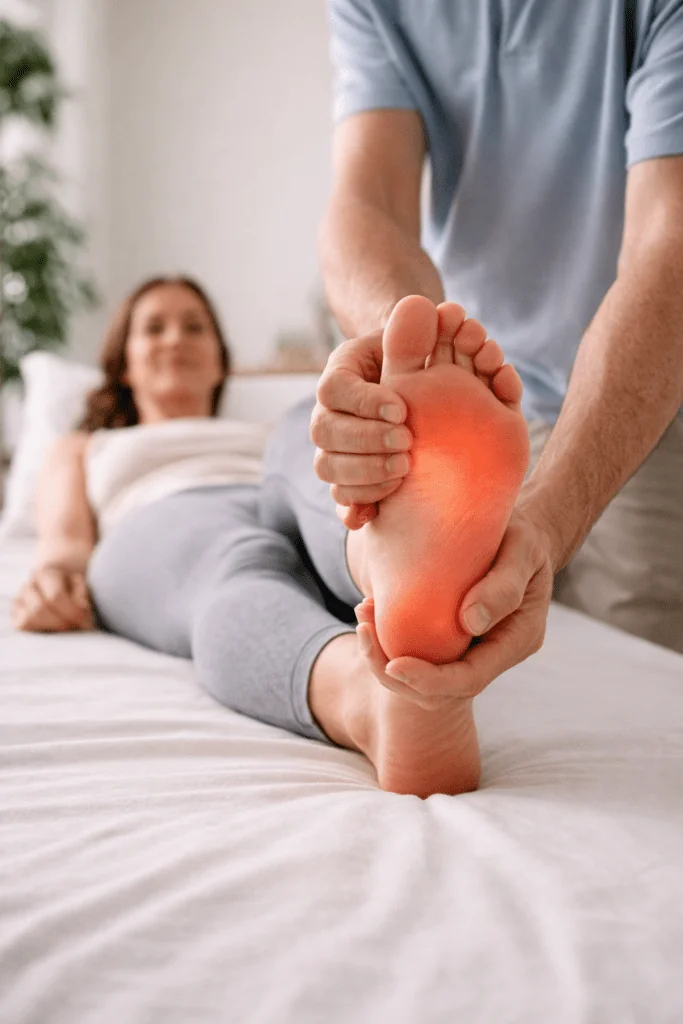
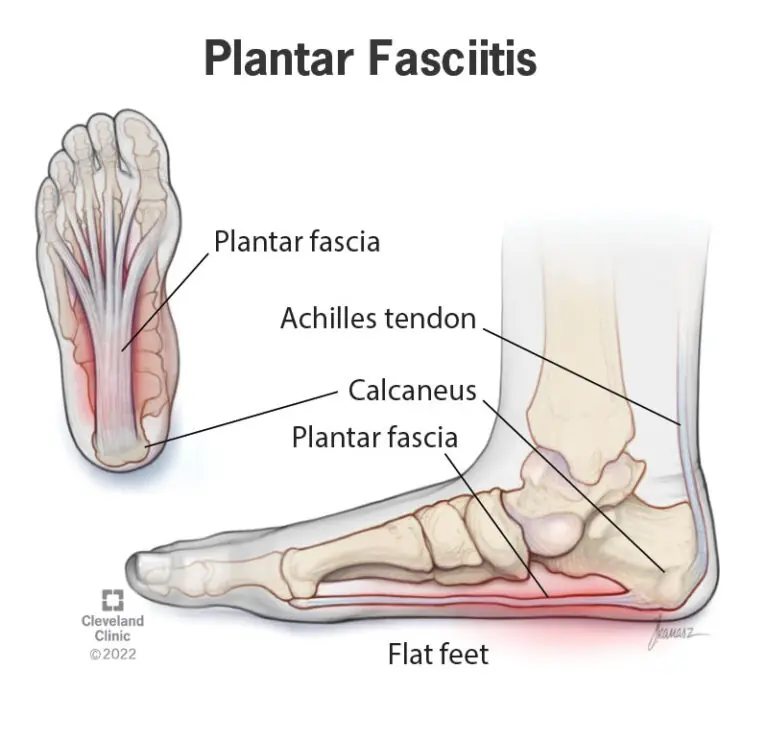
It’s a load-related condition involving irritation of the plantar fascia — a thick band of tissue that supports your arch and helps transfer force when you move.

Our approach is simple:
Reduce your pain, restore your movement, and build your capacity so your feet can handle load again.
What is plantar fasciitis?

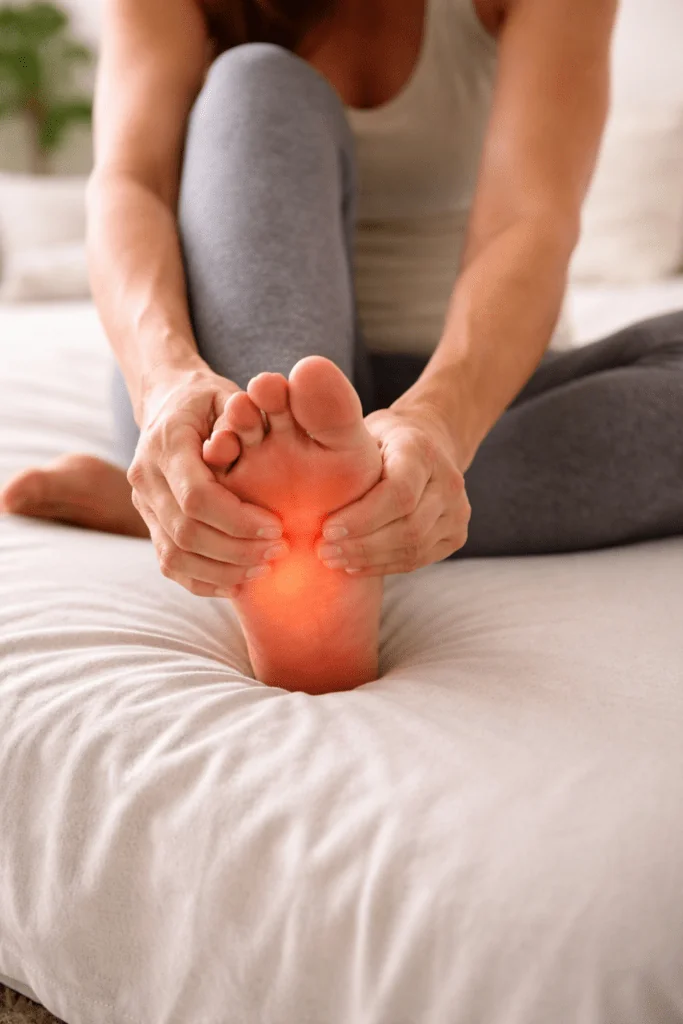
Plantar fasciitis (more accurately described as plantar fasciopathy) is a condition involving irritation and degeneration of the plantar fascia, rather than purely inflammation.

It typically presents as:

  • Pain under the heel (especially first steps in the morning)
  • Pain after periods of rest
  • Symptoms that ease with movement but worsen with prolonged load
  • Tenderness at the base of the heel

This condition is very common, particularly in active individuals and those with increased load demands.

Why does it happen?

Plantar fasciitis develops when the load placed on the foot exceeds its capacity to tolerate it.

Common contributing factors include:

  • Sudden increases in activity (running, walking, sport)
  • Reduced calf strength or endurance
  • Limited ankle mobility (especially dorsiflexion)
  • Prolonged standing or walking
  • Foot strength and control deficits
  • Changes in footwear


Importantly:
It’s not just inflammation — it’s a capacity problem.
Who We Treat

  • Runners with heel pain during or after training
  • Gym members struggling with loaded lower body work
  • Occupations involving prolonged standing (healthcare, retail, trades)
  • People returning to exercise after a break
  • Anyone with persistent “first step” heel pain


From everyday activity to high performance — we guide you back.

Movement is Medicine

Best-practice management of plantar fasciitis focuses on progressive loading, not rest alone.

Research supports:
✔ Strength-based rehab for long-term improvement
✔ Gradual loading of the plantar fascia and calf complex
✔ Avoiding complete unloading where possible

While short-term symptom relief strategies can help,
lasting improvement comes from restoring load tolerance.

Our Approach to Plantar Fasciitis Rehabilitation

At Rx Physiotherapy, we take a structured, individualised approach — no generic programs, no guesswork.

We start by understanding you and your loading patterns.

  • Thorough assessment of foot, ankle, and lower limb
  • Identify contributing factors (mobility, strength, training loads)
  • Screen for alternative diagnoses (e.g. nerve-related pain, stress injury)
  • Clear explanation of your condition
  • Structured rehab plan


You leave your first session knowing exactly what’s going on and what to do next.

Early management focuses on reducing irritation while staying active.

  • Modify aggravating loads (not complete rest)
  • Footwear and activity guidance
  • Short-term pain relief strategies (e.g. taping, isometrics)
  • Gentle mobility and calf loading


Complete rest is not recommended, as it may delay recovery.

Now we rebuild your foundation.

  • Progressive calf strengthening (key driver of outcomes)
  • Introduce plantar fascia-specific loading
  • Improve ankle mobility
  • Develop foot strength and control


Heavy-slow resistance training has been shown to be effective in improving pain and function over time.

Once your symptoms are controlled, we progress toward full function.

  • Load tolerance for walking, running, and sport
  • Plyometric and dynamic loading (when appropriate)
  • Return-to-running or training programs
  • Build resilience in the entire lower limb

Plantar fasciitis can return if underlying capacity isn’t addressed.

We focus on:

  • Long-term strength and load management
  • Foot and calf conditioning
  • Training structure and progression
  • Footwear guidance where needed

It’s Not Just Your Foot

Plantar fasciitis is influenced by the entire lower limb and how you move.

We consider:

  • Calf strength and endurance
  • Achilles tendon loading
  • Hip and lower limb control
  • Training loads and recovery

This is why isolated treatments don’t work long term — the whole system needs to adapt.

Education and Empowerment

Understanding your condition is key to recovery.

We help you:

  • Understand what’s driving your pain
  • Know what activities are safe (and helpful)
  • Manage symptoms without fear
  • Progress confidently back to full activity
YOUR PARTNER IN RECOVERY

At Rx Physiotherapy, we combine:

  • Evidence-based treatment
  • Individualised rehab
  • Strength-focused recovery
  • Ongoing support


Because the goal isn’t just to settle your heel pain —
it’s to build a foot that can handle whatever you throw at it.

Want to Learn More?

Plantar fasciitis is one of the most common causes of heel pain — but also one of the most misunderstood.

Most cases improve with: Education, Load management &Progressive strengthening

The goal isn’t just pain relief — it’s long-term resilience.


April-Patterson-rx-physiotherapy.png
Dr. April Patterson

Physiotherapist

Dr. April Patterson graduated from Bond University with a Doctor of Physiotherapy degree and founded RX Physiotherapy in 2019 with a vision to provide exceptional, personalised care. As a physiotherapist living with Ehlers-Danlos Syndrome (EDS), hypermobility, and Temporomandibular Joint (TMJ) issues, April brings a rare combination of personal insight and professional expertise to her practice. Her own experiences with these conditions fuel her passion for understanding and treating them, allowing her to empathise deeply with her patients and guide them with authenticity and compassion.

April has a huge passion for in EDS, Hypermobility Spectrum Disorders (HSD), and TMJ dysfunction, while also treating all joints and musculoskeletal conditions. She personally conducts initial assessments to understand each patient’s story, goals, and challenges before referring them to her highly skilled team for ongoing care. Her holistic, evidence-based approach blends manual therapy, strength and conditioning, pain management, and education to help clients regain function, confidence, and independence.

As Managing Director, April maintains the highest standard of care through weekly team sessions to review progress, provide guidance, and support professional development. This ensures that every patient receives structured, personalised care, while allowing her to focus on leadership, strategy, and advancing the clinic’s mission.

Outside the clinic, April enjoys hitting the gym, cooking, and spending quality time with her partner, her two dachshunds and two cats.

Ms. Emily Yorkston

Physiotherapist

Emily is a senior physiotherapist with extensive experience across musculoskeletal, neurological, orthopaedic, women’s health, and paediatric physiotherapy. She has worked in a wide range of clinical settings, including rural outreach programs and allied health leadership roles, which have shaped her holistic, collaborative, and genuinely client-centred approach to care.

Emily is a highly empathetic physiotherapist with lived experience of Ehlers-Danlos Syndrome (EDS), giving her a rare and deeply personal understanding of the physical, emotional, and day-to-day challenges faced by people living with complex and chronic conditions. She has a strong clinical interest in hypermobility (HSD, EDS), TMJ and jaw dysfunction and women’s health, and has completed APA Women’s Health Level 1 training. Emily is skilled in assessing and treating all joints and a broad range of musculoskeletal presentations, from everyday pain to complex, multi-system conditions.

She is passionate about helping clients achieve meaningful, sustainable, long-term outcomes. Emily combines personalised rehab programs, hands-on manual therapy, and targeted rehabilitation strategies to improve function, build confidence, and restore independence. Her care is structured, evidence-based, and highly individualised, ensuring every client feels informed, supported, and actively involved in their recovery.

Outside the clinic, Emily enjoys travelling and exploring new experiences, bringing fresh perspective and energy back into her work. She is known for her warm, calm, and motivating style, helping clients feel safe, understood, and empowered throughout their rehabilitation journey.

If you’re living with pain, recovering from injury, or navigating a complex condition such as EDS, HSD, TMJ dysfunction, women’s health concerns, or any musculoskeletal issue, you don’t have to do it alone. Book an appointment with Emily today to receive thoughtful, personalised care and take the next step toward moving with greater comfort, confidence, and trust in your body again.

profile-photo
Ms. Laura Flemming

Physiotherapist

Laura is a senior physiotherapist with six years of experience across hospital, private practice, community, and sports settings. She began her career at Wollongong Hospital before moving to Sydney, where she expanded her skills in musculoskeletal rehab, neurological rehab, and community-based care. During this time she became a Level 1 Strength and Conditioning Coach and worked with junior representative soccer teams in the St George region. Now back in the Illawarra, she’s excited to support her local community again.

Laura’s approach is grounded in understanding the individual—what they value, what they hope to achieve, and how their condition impacts their life. She focuses on meaningful outcomes through a blend of manual therapy, strength training, pain management, patient education, and personalised rehabilitation programs. Her experience spans acute and chronic injuries, post-operative rehab, strength and endurance training, falls prevention, and neurological conditions including stroke and brain injury.

She has a strong interest in working with people with Ehlers-Danlos Syndrome (EDS) and Hypermobility Spectrum Disorder (HSD), and she brings extensive experience supporting participants within the NDIS. She also specialises in treating TMJ/jaw dysfunction, helping clients reduce pain, improve mobility, and address the muscular and biomechanical factors contributing to their symptoms. Her calm, collaborative style helps clients feel understood, supported, and confident navigating long-term conditions.

Outside the clinic, you’ll find Laura hiking up mountains, writing music, playing soccer, or training for the occasional triathlon or running event.

Whether you’re managing pain, recovering from an injury, or navigating a complex condition like EDS, HSD, or TMJ dysfunction, Laura can help with all joints and musculoskeletal concerns, guiding you with structure, clarity, and genuine care.

Mr. Trent Cooksley

Physiotherapist

Trent is a physiotherapist who genuinely cares about people — the kind who listens properly, meets you where you’re at, and helps you feel comfortable from the moment you walk in. He has that big brother energy; calm, thoughtful, easy to talk to, and always looking out for you. His focus is simple — helping you move better, feel stronger, and get back to the things that matter to you, whether that’s training, sport, work, or living life without pain.

He treats a wide range of musculoskeletal conditions, including shoulder, knee, lower back, neck, and ankle injuries, and works with people of all ages and activity levels. Trent’s approach is hands-on, structured, and tailored to the individual. He’s not about quick fixes or generic programs — he takes the time to understand your body, your goals, and what’s been holding you back, then builds a clear plan to help you move forward with confidence.

Born and raised in Wollongong, Trent grew up immersed in sport. He played soccer with the Woonona Sharks and was involved in everything from tennis and golf to swimming, footy, cricket, and AFL. As a teenager, golf became his focus, earning him a place in the IAS Golf Program and later a college golf scholarship in Abilene, Texas. Experiencing injuries firsthand — and seeing how physiotherapy restored his performance — shaped the way he now supports others through injury, rehab, and long-term recovery.

Outside the clinic, Trent is easygoing, down-to-earth, and approachable. You’ll find him on the golf course, in the surf, or catching up with friends. That same calm, supportive energy carries into his sessions, helping clients feel at ease, understood, and supported every step of the way.

If you’re dealing with pain, injury, or ongoing frustration with your body, Trent is someone you can trust to have your back — and help you move with clarity, confidence, and strength again.

Mr. Harrison Smith

Physiotherapist

Harrison Smith holds a Master’s degree in Physiotherapy and brings over 10 years of clinical experience to his practice. His philosophy is simple: pain is rarely the real problem — it’s information. He often describes pain as a “check engine light” — a useful warning signal, but not always located where the actual fault exists.

Because of this, Harrison focuses on identifying the true cause of dysfunction rather than chasing symptoms. He performs detailed, full-body assessments to understand how the entire system is working together, then builds clear, targeted treatment plans designed for lasting change — not temporary relief.

His goal is to stand in your corner while you rebuild your body and confidence: reducing pain, addressing long-standing issues, improving body composition, and helping you reach meaningful performance goals. Ultimately, he aims to be the last practitioner you need by giving you both results and understanding.

Alongside Physiotherapy, Harrison has formal training in Sports & Exercise Science and Nutrition, allowing him to take a genuinely holistic approach to recovery and performance.

He has spent over a decade working within women’s sport, supporting teams from Gordon Rugby through to the Norwegian National Team, and has travelled internationally with the FRN Wolverines to Dubai.

Outside the clinic, Harrison lives what he teaches — surfing, freediving, strength training, and snow sports all shape his appreciation for movement efficiency, resilience, and real-world performance.

Mr-Reece-Nikitaras.png
Mr Reece Nikitaras

Physiotherapist

Reece Nikitaras is deeply passionate about optimising human movement and enhancing quality of life through targeted rehabilitation and evidence-based therapeutic techniques. His journey into physiotherapy was driven by a genuine desire to help individuals overcome physical barriers and reach their full potential.

As an avid runner, Reece brings both personal insight and clinical expertise to the treatment of running-related injuries. He is particularly dedicated to helping runners recover from injury, prevent future setbacks, and elevate their performance. Reece has developed a comprehensive running assessment protocol designed to identify biomechanical inefficiencies and areas of weakness, allowing for tailored interventions that support long-term improvement and injury prevention.

Reece also holds a strong clinical interest in knee rehabilitation, with an in-depth understanding of knee biomechanics and the complex nature of knee injuries. He implements highly specialised, results-driven treatment plans to restore function and accelerate recovery in clients dealing with knee concerns.

Always eager to stay at the forefront of his field, Reece consistently seeks out new knowledge and incorporates the latest advancements in physiotherapy research into his practice. His commitment to continuous learning ensures he delivers the highest standard of care to every patient.

Outside of the clinic, Reece enjoys travelling, spending time at the beach, and playing a round of golf.