Patellofemoral Pain Treatment
PATELLOFEMORAL PAIN TREATMENT AT RX PHYSIOTHERAPY
At Rx Physiotherapy, we understand how frustrating knee pain can be — especially when it limits your training, affects your squats, or stops you from running.
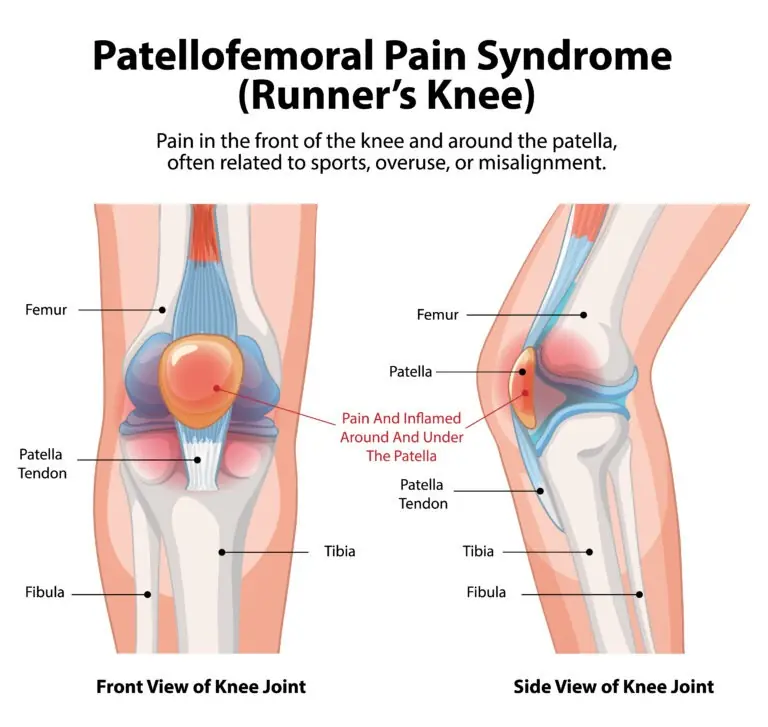
Patellofemoral pain (often called “runner’s knee”) isn’t just a knee issue.
It’s a load-related condition influenced by how your entire lower body moves and handles stress.
Our approach is simple:
Reduce your pain, restore your movement, and build your capacity so your knee can tolerate load again.
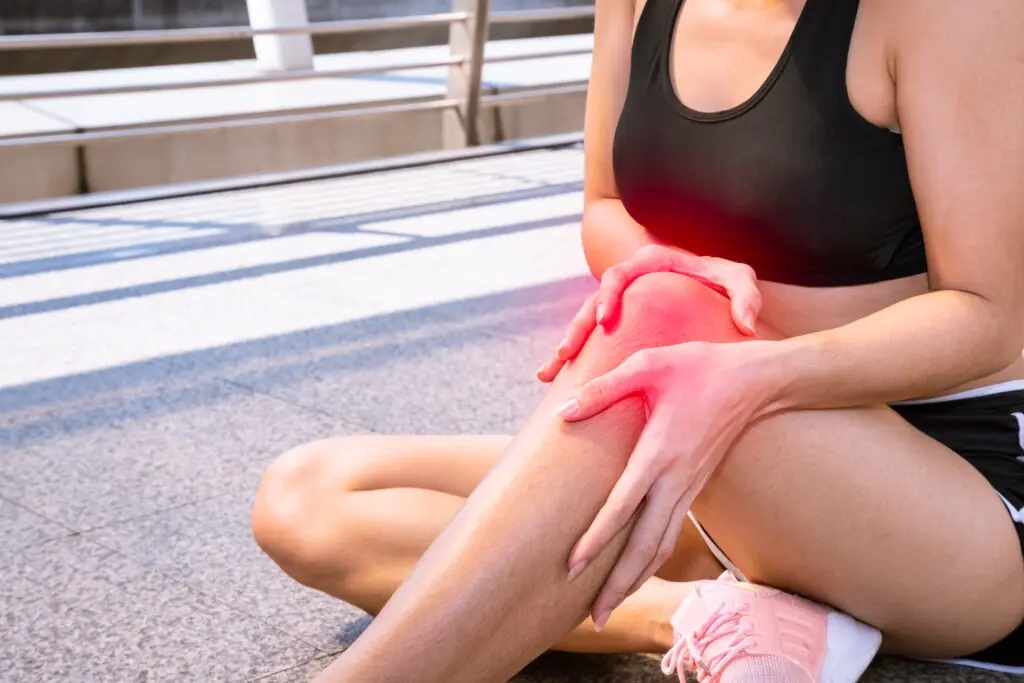
What is patellofemoral pain?
Patellofemoral pain refers to pain around or behind the kneecap (patella), often aggravated by activities that load the joint.
It typically presents as:
- Pain around or behind the kneecap
- Pain with squatting, lunging, or stairs
- Discomfort with running (especially hills or downhill)
- Pain with prolonged sitting (“movie-goer’s knee”)
- Clicking or grinding sensations (not always significant)
It’s one of the most common knee conditions — especially in active individuals.
Why does it happen?
Patellofemoral pain develops when the load placed on the knee joint exceeds its ability to tolerate it.
Common contributing factors include:
- Sudden increases in running or training volume
- Poor load management (too much, too soon)
- Reduced quadriceps strength
- Hip strength and control deficits
- Altered movement patterns (e.g. knee collapsing inward)
- Reduced capacity in the entire lower limb
Importantly:
It’s not just a “tracking issue” — it’s a load and capacity problem.
Who We Treat
- Runners with knee pain during or after training
- Gym members struggling with squats, lunges, or step work
- Athletes involved in jumping or change-of-direction sports
- People returning to exercise after a break
- Anyone with persistent or recurring front-of-knee pain
From first-time pain to long-term issues — we guide you back.
Movement is the Solution
Best-practice guidelines strongly support exercise therapy as the primary treatment for patellofemoral pain.
This includes:
✔ Strengthening the quadriceps and hip muscles
✔ Improving movement control
✔ Gradual exposure to load
Rest alone doesn’t fix the problem —
your knee needs to build tolerance to load.
Our Approach to Patellofemoral Pain Rehabilitation
At Rx Physiotherapy, we take a structured, individualised approach — no generic exercises, no guesswork.
We start by understanding how your knee is being loaded.
- Assess knee, hip, and ankle function
- Identify movement and strength deficits
- Analyse training loads and aggravating factors
- Rule out other knee conditions
- Create a structured rehab plan
You leave your first session with clarity and direction.
Early management focuses on reducing pain while staying active.
- Modify aggravating activities (not complete rest)
- Reduce excessive joint stress
- Introduce pain-guided exercise
- Maintain general activity where possible
This is the key driver of recovery.
- Progressive quadriceps strengthening
- Hip and glute strengthening
- Controlled loading through squat and lunge patterns
- Improve lower limb control
Strong evidence supports combined hip + knee strengthening for improving pain and function.
Once strength improves, we reintroduce higher-level demands.
- Running progressions
- Plyometric and dynamic loading
- Change of direction drills
- Sport-specific training
Patellofemoral pain can return if capacity isn’t maintained.
We focus on:
- Long-term strength and conditioning
- Load management strategies
- Movement efficiency
- Ongoing performance support
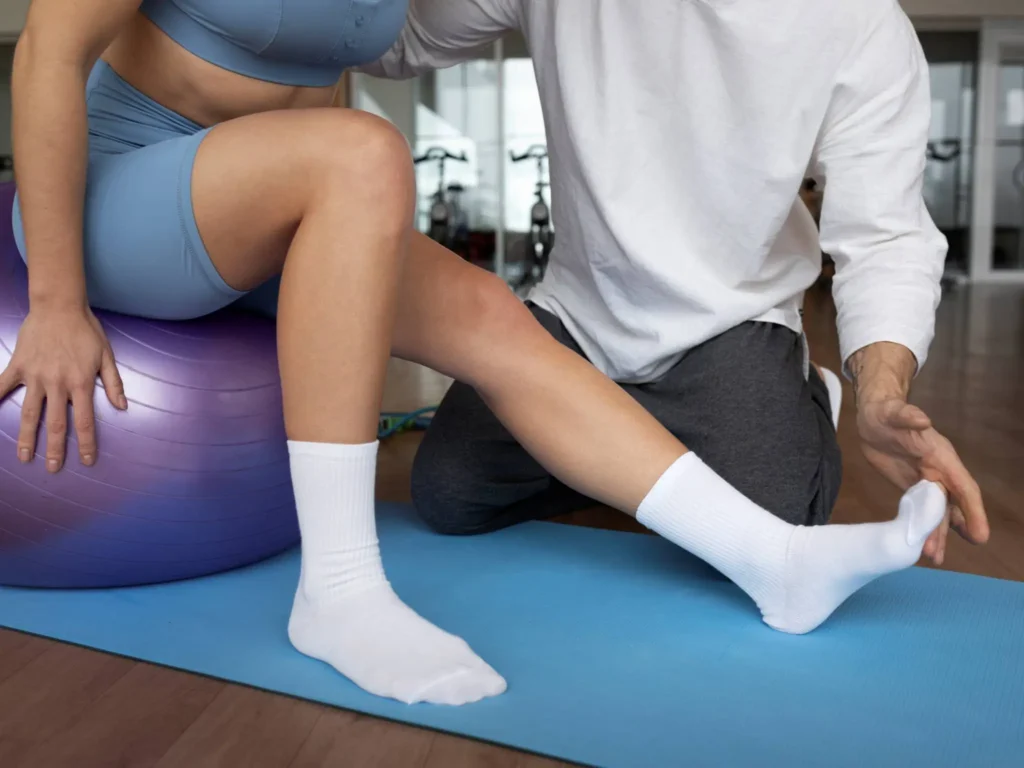
It’s Not Just Your Knee
Patellofemoral pain is influenced by the entire lower limb.
We assess and address:
- Quadriceps strength
- Hip strength and control
- Ankle mobility
- Movement patterns
- Training loads
Because better movement + better capacity = better outcomes.
Education and Confidence
We help you:
- Understand what’s driving your pain
- Know what activities are safe (and beneficial)
- Progress without fear of “damaging” your knee
- Return to training with confidence
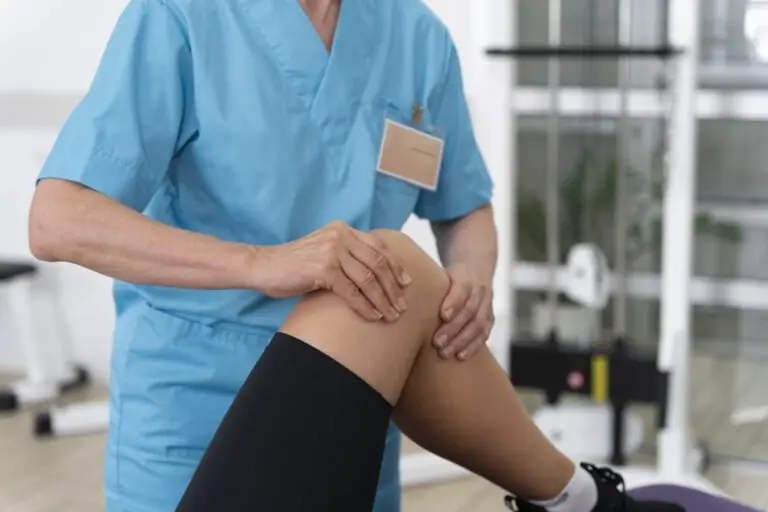
YOUR PARTNER IN RECOVERY
At Rx Physiotherapy, we combine:
- Evidence-based rehab
- Structured strength programs
- Performance-focused recovery
- Ongoing support
Because the goal isn’t just to settle your knee pain —
it’s to build a stronger, more resilient system.
Want to Learn More?
Patellofemoral pain is one of the most common causes of knee pain — but also one of the most misunderstood.
Most people improve with:
Education, Load management, & Progressive strengthening
The goal isn’t just pain relief — it’s long-term performance and resilience.