If you’re hypermobile, chances are you’ve been told to stretch more.
And if you’re reading this, chances are that advice didn’t help — or made things worse.
Hypermobility isn’t a lack of flexibility. It’s a lack of control, stability, and load tolerance within your available range of motion.
That distinction changes everything about how rehabilitation should be approached.
Understanding Hypermobility
Hypermobility means your joints move beyond the range that most people have. For some, this feels like freedom. For many, it comes with:
Pain
Fatigue
A feeling of instability or weakness
Tightness despite being very flexible
Frequent flare-ups or injuries
The body isn’t “faulty” — it’s doing its best to protect you.
When joints move excessively and unpredictably, the nervous system often struggles to feel safe. To compensate, it may increase muscle tension, pain signals, or protective guarding.
This is why hypermobile people often feel tight and unstable at the same time.
Why Stretching Isn’t the Solution
Stretching increases range. But hypermobile bodies already have plenty of range.
Adding more flexibility without control can increase joint irritation, fatigue, and pain — because the body still doesn’t trust its ability to manage load.
What’s missing isn’t movement. It’s confidence within movement.
Why We Start with Isometrics
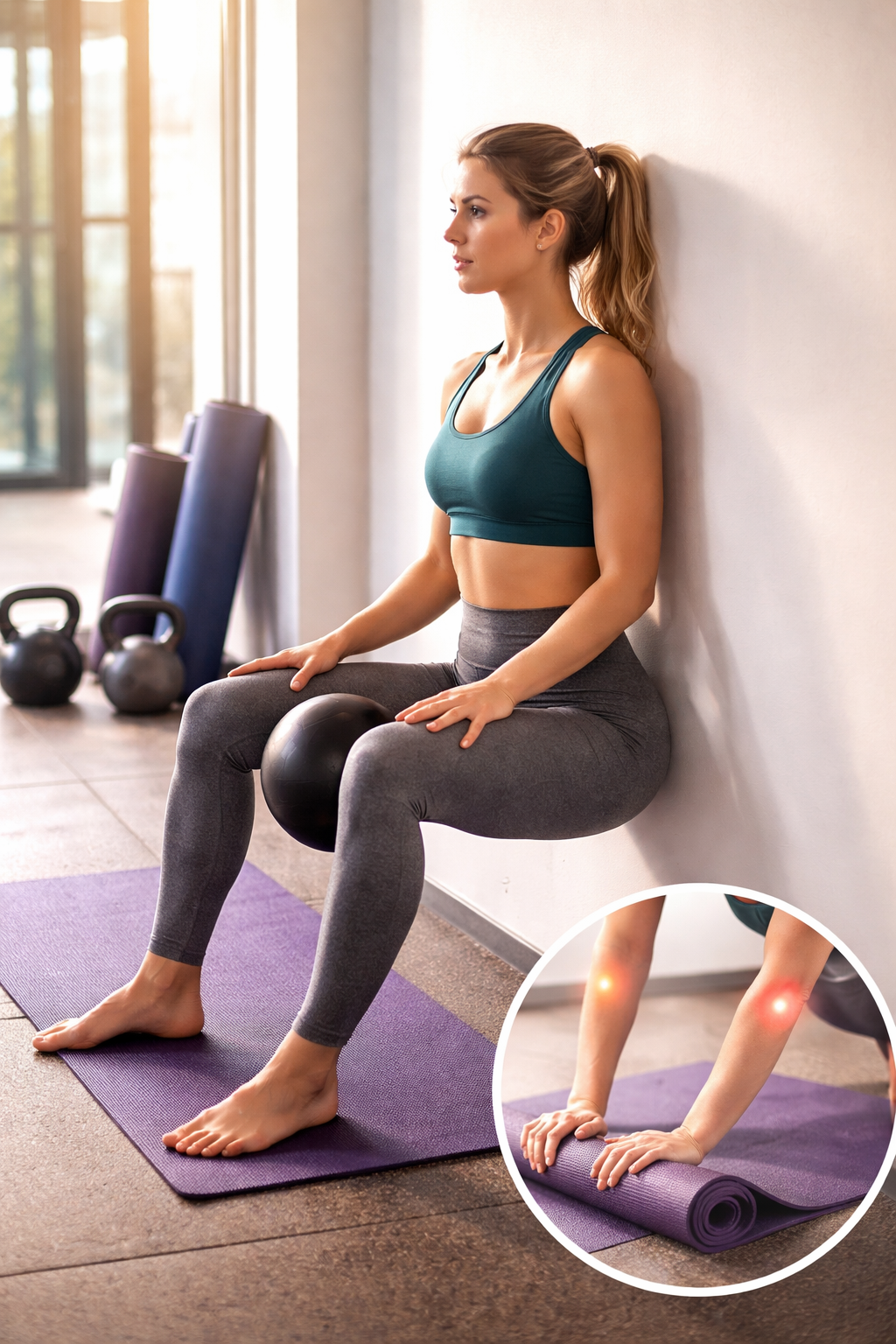
Isometric exercises involve muscle activation without joint movement.
For hypermobility, this is powerful.
Isometrics:
Improve muscle activation and control
Increase joint stability
Build strength without stressing vulnerable ranges
Reduce pain sensitivity
Send a strong safety signal to the nervous system
From a nervous system perspective, isometrics are often better tolerated because they provide effort without unpredictability. The body learns, “I can work here, and it’s safe.”
This is especially important for people who experience flare-ups with movement, fatigue quickly, or feel “fragile” in certain positions.
Stability Before Movement
Starting with isometrics doesn’t mean avoiding movement forever.
It means sequencing rehabilitation properly.
Once control and confidence improve, we gradually introduce:
Controlled movement through range
Progressive strength
Load that matches the demands of your life
The goal is not to restrict you — it’s to support your body so it can move freely and safely.
Hypermobility Requires a Different Approach
Hypermobility isn’t about doing less. It’s about doing the right things, in the right order.
Pain in hypermobility is rarely a sign that your body is broken. More often, it’s a signal that the system doesn’t yet feel supported.
When we address stability, control, and nervous system safety first, movement becomes easier — and pain often settles as a result.
Our Approach
At our clinic, we don’t chase flexibility in hypermobile bodies. We prioritise:
Control
Strength
Confidence
Long-term function
Isometrics are often the starting point — not because they’re easy, but because they’re effective.
Need Support with Hypermobility?
If you’re hypermobile and feel stuck between being “too flexible” and “too sore,” physiotherapy focused on stability and control can make a meaningful difference.
We’re here to help you build a body that feels supported, capable, and confident — not just now, but long term.
Book an appointment via our website.